Description
Full Product Description
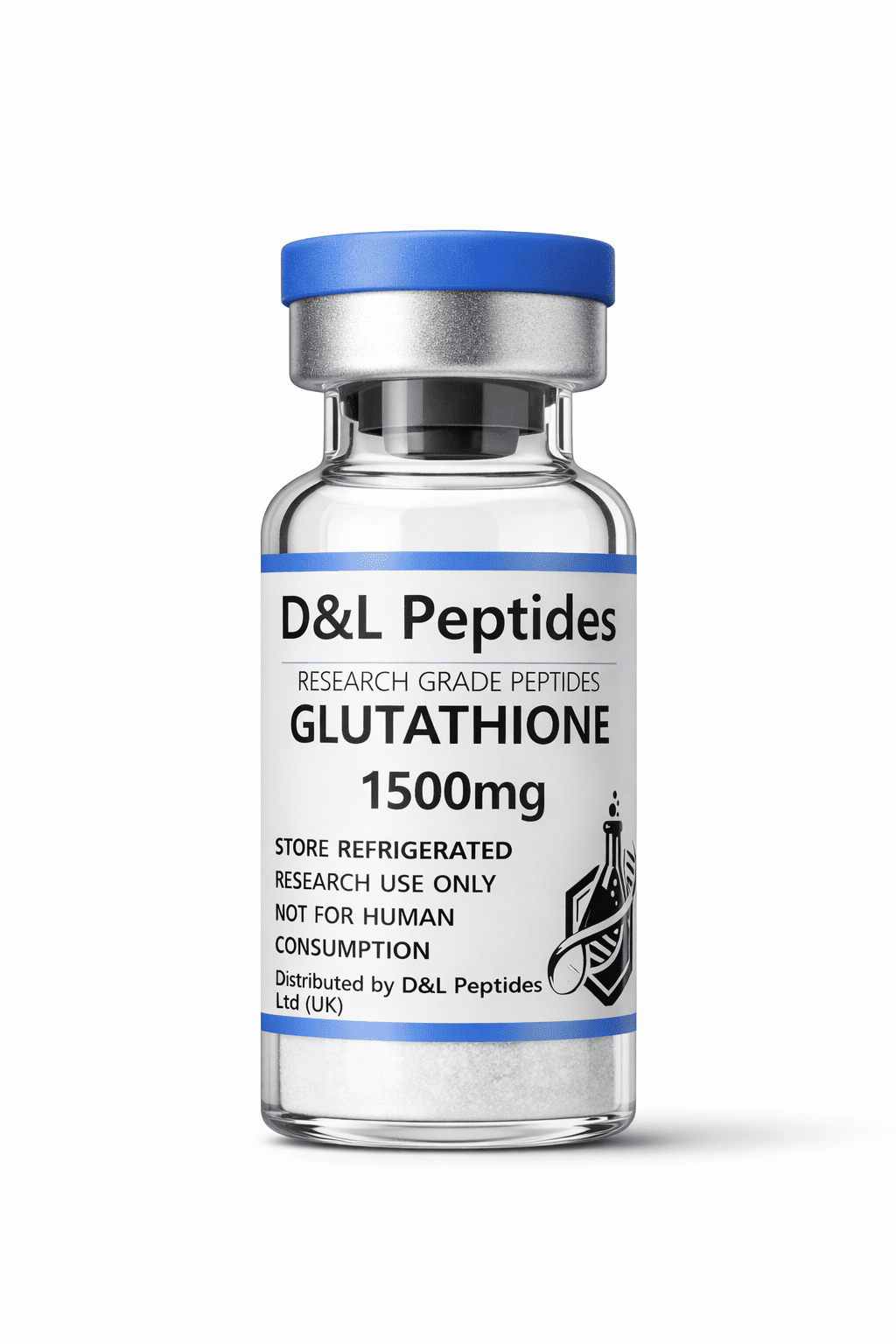
Glutathione Peptide
Glutathione peptide is a tripeptide composed of glutamine, cysteine, and glycine, naturally present in biological systems. In laboratory research environments, Glutathione is studied for its involvement in cellular antioxidant mechanisms, oxidative stress pathways, and biochemical regulation processes.
Researchers investigate Glutathione within controlled settings to explore its role in:
• Cellular redox balance
• Antioxidant pathway research
• Detoxification-related biochemical processes
• Peptide-mediated cellular signalling
This compound is supplied strictly for laboratory research purposes and is not intended for therapeutic or diagnostic use.
Purity & Quality Standards
Each batch of Glutathione supplied is subject to rigorous analytical verification, including:
• High-performance liquid chromatography (HPLC)
• Mass spectrometry identity confirmation
• Impurity profiling
• Residual solvent testing
• Microbiological analysis
These procedures ensure consistent purity and reliability for research applications.
Product Specifications
| Property | Specification |
|---|---|
| Compound Name | Glutathione |
| Peptide Type | Tripeptide |
| Sequence | Glu-Cys-Gly |
| Purity | ≥98% |
| Appearance | White to off-white lyophilised powder |
| Form | Lyophilised peptide |
| Testing | Third-party verified |
| Documentation | Certificate of Analysis (COA) available |
Research Applications
Within laboratory research environments, Glutathione is commonly studied in relation to:
• Oxidative stress pathway research
• Cellular antioxidant mechanisms
• Detoxification-related biochemical studies
• Cellular regulation processes
• Peptide-mediated signaling pathways
These areas remain active fields of investigation in biochemical and peptide research.
Storage & Stability
Glutathione is supplied as a lyophilised powder.
For laboratory handling:
• Store at −15°C or below
• Protect from light exposure
• Maintain airtight storage conditions
• Avoid moisture exposure
Proper storage helps maintain compound stability during research.
Scientific References
For general scientific reference, researchers may consult:
• https://pubmed.ncbi.nlm.nih.gov/
• https://clinicaltrials.gov/
These databases provide peer-reviewed literature relevant to peptide and biochemical research.
Laboratory Research Use Only
Glutathione supplied:
• Is not a medicine
• Is not a dietary supplement
• Is not intended for human or veterinary use
• Is not approved by regulatory authorities for medical use
Products are designated strictly for controlled laboratory research environments.
Researchers are responsible for compliance with applicable regulations and protocols.
Why Choose This Product?
• Verified analytical testing
• Transparent COA documentation
• High-purity standards (≥98%)
• Batch-to-batch consistency
• Strict quality control procedures
Related Research Compounds
Researchers often explore complementary compounds in related research areas:
NAD+
Studied in cellular energy and metabolic pathway research.
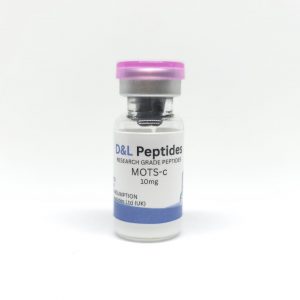
MOTS-c peptide
Investigated in mitochondrial signaling pathways.
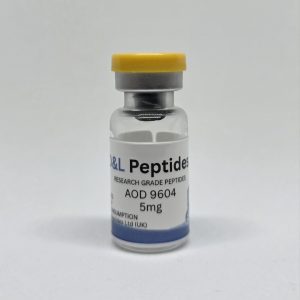
AOD-9604 peptide
Studied in metabolic research models.
GHK-Cu peptide
Researched in cellular signaling and biochemical processes.
Frequently Asked Questions
What is Glutathione peptide used for in research?
Glutathione peptide is studied in laboratory environments for its role in antioxidant pathways and cellular regulatory mechanisms.
Is Glutathione approved for human use?
No. This product is supplied strictly for laboratory research and is not approved for human or veterinary use.
How should Glutathione be stored?
Store at −15°C or below in a dry, light-protected environment.
Is a Certificate of Analysis provided?
Yes, batch-specific COAs are available for verification and transparency.
Reviews
There are no reviews yet.