
Description
What Is NAD+?
NAD+ (Nicotinamide Adenine Dinucleotide) is a naturally occurring coenzyme found in all living cells. In laboratory environments, NAD+ is studied for its involvement in cellular energy production, redox reactions, and metabolic signaling pathways.
In controlled research settings, NAD+ is commonly investigated in relation to:
• Cellular energy metabolism
• Redox and oxidation-reduction processes
• Mitochondrial function research
• Biochemical pathway regulation
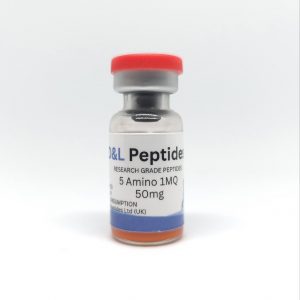
Researchers exploring similar areas often also investigate MOTS-c peptide and 5-amino-1MQ, which are studied in related metabolic and mitochondrial research models.
This compound is supplied strictly for laboratory research purposes only and is not approved for human or veterinary use.
Purity & Quality Standards
Each batch of NAD+ supplied is subject to rigorous analytical verification, including:
• High-performance liquid chromatography (HPLC)
• Identity confirmation testing
• Impurity profiling
• Residual solvent analysis
• Microbiological quality checks
These procedures ensure consistent purity, identity, and reliability for laboratory research.
Product Specifications
| Property | Specification |
|---|---|
| Compound Name | NAD+ (Nicotinamide Adenine Dinucleotide) |
| Compound Type | Coenzyme |
| Purity | ≥98% |
| Appearance | White to off-white powder |
| Form | Research compound |
| Testing | Third-party verified |
| Documentation | Certificate of Analysis (COA) available |
Research Applications
Within laboratory research environments, NAD+ is commonly studied in relation to:
• Cellular energy production research
• Mitochondrial function studies
• Metabolic pathway investigations
• Redox reaction analysis
• Biochemical signaling mechanisms
Complementary compounds such as MOTS-c peptide and SLU-PP-332 are often explored alongside NAD+ in metabolic and mitochondrial research models.
Storage & Stability
For laboratory handling:
• Store at −15°C or below
• Protect from light exposure
• Maintain airtight conditions
• Avoid environmental moisture
Proper storage helps maintain compound stability during research.
Scientific References
For general scientific reference, researchers may consult:
• https://pubmed.ncbi.nlm.nih.gov/
• https://clinicaltrials.gov/
• https://www.ncbi.nlm.nih.gov/
These databases provide access to peer-reviewed research, clinical studies, and biochemical data relevant to metabolic and cellular processes.
Laboratory Research Use Only
NAD+ supplied:
• Is not a medicine
• Is not a dietary supplement
• Is not intended for human or veterinary use
• Is not approved for medical applications
Products are designated strictly for controlled laboratory research environments.
Researchers are responsible for compliance with all applicable regulations and protocols.
Why Choose This Product?
• Verified analytical testing
• Transparent COA documentation
• High-purity compound standards
• Batch-to-batch consistency
• Strict quality control procedures
Related Research Compounds
Researchers commonly explore complementary compounds within similar research areas:
👉 MOTS-c peptide – mitochondrial signaling research
👉 5-amino-1MQ – metabolic enzyme pathway research
👉 SLU-PP-332 – mitochondrial and metabolic signaling research
👉 Tirzepatide peptide – metabolic and endocrine pathway research
Frequently Asked Questions
What is NAD+ used for in research?
NAD+ is studied in laboratory environments for its role in cellular energy production, redox reactions, and metabolic signaling pathways.
What type of compound is NAD+?
NAD+ is a coenzyme involved in biochemical processes related to energy metabolism and cellular function.
Is NAD+ approved for human use?
No. NAD+ is supplied strictly for laboratory research and is not intended for human or veterinary use.
How should NAD+ be stored?
Store at −15°C or below in a dry, light-protected environment.
Is a Certificate of Analysis available?
Yes, batch-specific COAs are available where applicable.